All Categories
Featured
Table of Contents

The business environment in 2026 has moved past the era where historical reports dictated future budgets. Companies no longer look at what happened last quarter to decide what to do next month. Instead, the focus has shifted toward anticipating shifts in consumer behavior before those changes manifest in sales figures. Predictive analytics, supported by the massive compute power available in 2026, allows for a level of foresight that was purely theoretical a few years ago. This shift is particularly visible in how organizations approach growth and customer retention, moving from a reactive stance to one defined by proactive adjustments.
Data processing speeds have increased significantly, enabling models to ingest streaming information from thousands of touchpoints. Whether it is a change in browsing habits, a shift in social sentiment, or subtle variations in purchase frequency, the algorithms of 2026 can identify patterns that human analysts might overlook. This capability is not just about having more information; it is about the speed at which that information becomes actionable. Companies that rely on specialized analytical services are finding that the ability to act on a prediction within minutes, rather than days, is the primary differentiator in a crowded market.
Growth in 2026 is less about broad-spectrum advertising and more about surgical precision. Marketing teams are using predictive modeling to identify high-value prospects who share characteristics with their most loyal customers. This "lookalike" modeling has evolved. It now incorporates real-time intent signals, allowing brands to reach a lead at the exact moment their interest peaks. By removing the guesswork from lead generation, businesses reduce wasted spend and improve the quality of their customer base from the start.
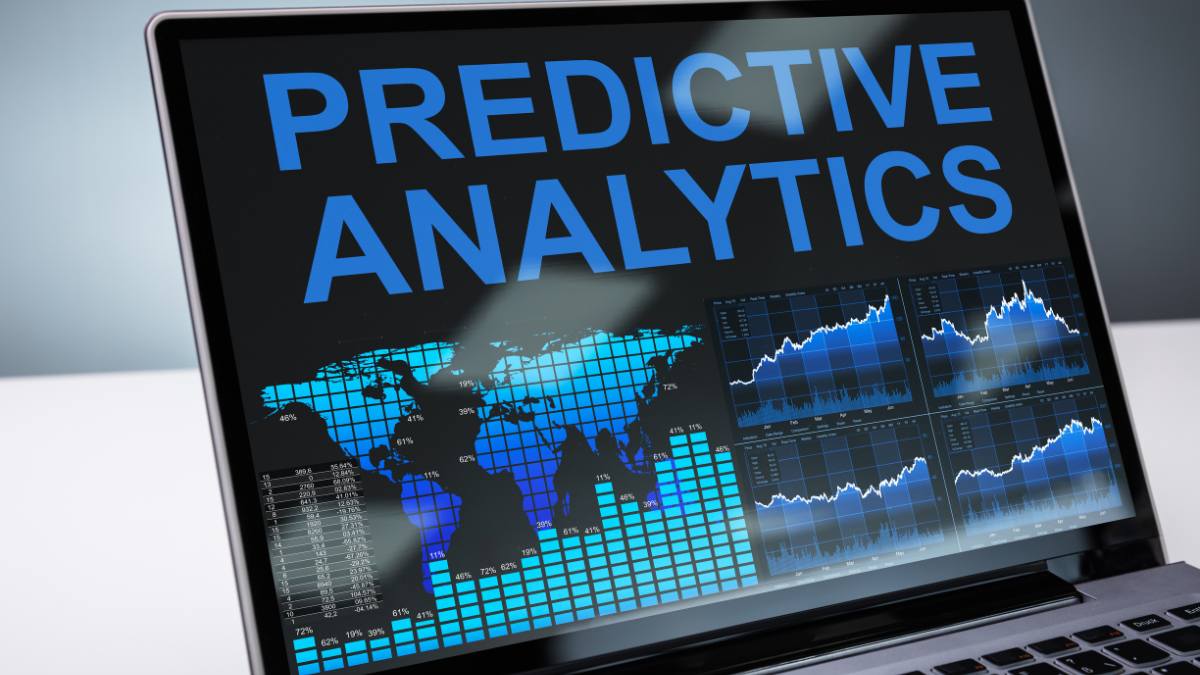
Applying Predictive Analytics to Customer Lifecycle Growth
Customer lifecycle marketing has seen a significant change as organizations move toward individualized retention strategies. In 2026, the concept of a "standard" customer lifecycle is largely obsolete. Every buyer follows a unique path, and predictive tools are used to map these paths in real time. If a model detects a drop in engagement from a long-term client, it can automatically trigger a personalized re-engagement sequence tailored to that specific user's past preferences. This level of automation ensures that no customer is ignored, regardless of the size of the company’s database.
Strategic investments in Native Sales provide the foundation for these predictive models. By ensuring the underlying data architecture is clean and accessible, businesses can feed their algorithms high-quality inputs. The result is a more accurate prediction of churn risk. In 2026, identifying a customer who is likely to leave three months before they actually cancel a subscription is a standard expectation. This lead time gives retention teams the opportunity to address underlying issues, whether they relate to product satisfaction, pricing, or service quality.
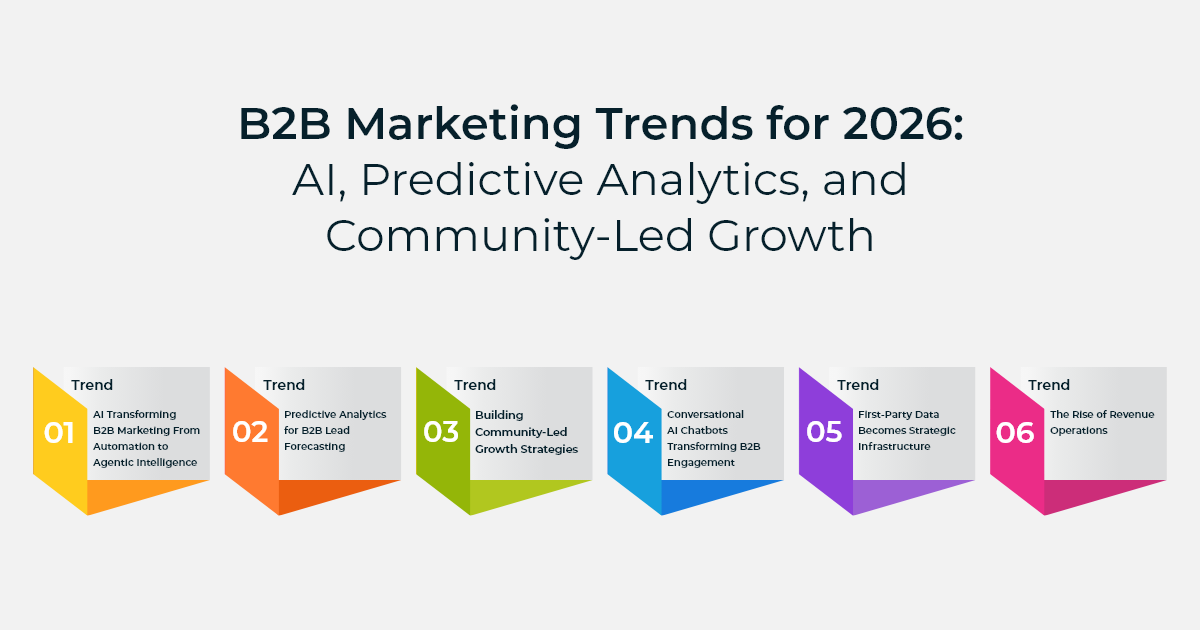
The cost of acquiring a new customer remains significantly higher than the cost of keeping an existing one. Because of this reality, predictive analytics is increasingly focused on the post-purchase experience. Algorithms analyze usage data to predict when a customer might be ready for an upgrade or a complementary product. This is not the generic "people also bought" recommendation of the past. It is a calculated suggestion based on the specific utility the customer derives from the product in 2026. If the data shows a user is only using 20% of a software's capability, the system might suggest a training module rather than a higher-tier subscription, building trust through helpfulness rather than aggressive upselling.
Improving Accuracy with Digital Performance Metrics
Accuracy in predictive modeling depends heavily on the variety of data sources used. In 2026, businesses are moving beyond transactional data to include behavioral and environmental factors. For example, a retail brand might incorporate local weather patterns, economic indicators, and even shipping logistics data into their demand forecasting. This multi-layered approach helps prevent stockouts and overstock situations, directly impacting the bottom line. Many organizations find that Seamless Native Sales provides the necessary clarity to refine their targeting.
Machine learning models have become more transparent in 2026. The "black box" problem, where marketers didn't understand why an AI made a certain prediction, has been largely addressed through explainable AI protocols. Analysts can now see the specific weights given to different variables, allowing them to validate the logic behind a churn prediction or a growth forecast. This transparency builds confidence among stakeholders, making it easier to secure budgets for large-scale data initiatives. It also allows teams to spot biases in the data that might lead to skewed results.
The role of the marketer has shifted from a creator of campaigns to a curator of models. In 2026, the primary task is to define the objectives and constraints while the AI handles the execution of complex data analysis. This does not diminish the need for human creativity; rather, it directs it toward the areas where it matters most. Humans decide the brand voice and the ethical boundaries of data use, while the predictive tools determine the timing and the audience. This division of labor allows for a scale of operation that was previously impossible for mid-sized enterprises.
Data Privacy and Ethics in 2026 Analytics
Consumer expectations regarding data privacy have reached a new peak in 2026. Predictive analytics must function within strict regulatory environments that prioritize user consent. Successful companies are those that have built a "value exchange" with their customers. If a user knows that sharing their data will lead to a more personalized and efficient experience, they are more likely to opt-in. However, this trust is fragile. One data breach or one instance of "creepy" over-personalization can destroy a brand's reputation.
Advanced encryption and on-device processing are becoming the norm for predictive tools. By processing data locally rather than sending it all to a central server, companies can maintain high levels of personalization without compromising privacy. This "edge AI" approach is a staple of 2026 marketing technology. It allows for real-time predictions on a user's smartphone or computer, ensuring that personal details never leave the device. This technical shift has helped mitigate many of the concerns surrounding the use of artificial intelligence in daily life.
Ethical considerations also extend to the predictions themselves. Companies are increasingly aware of the risk of "predictive redlining," where certain groups might be unfairly excluded from offers based on algorithmic bias. In 2026, leading firms employ ethics officers to audit their predictive models regularly. These audits ensure that growth strategies are inclusive and do not inadvertently penalize specific demographics. Fairness is now viewed as a core component of data quality, not just a legal requirement.
Modernizing Operations with Advanced Systems
Operationalizing predictive insights is the final hurdle for many businesses. It is one thing to have a model that predicts churn; it is another to have a system that automatically acts on that prediction. In 2026, the integration between analytical tools and execution platforms is tighter than ever. Marketing teams often look for SMS Marketing for Brands to ensure their campaigns reach the right audience. These integrations allow for automated workflows where a specific data trigger—such as a customer mentioning a competitor on a public forum—can immediately alert a customer success representative.
The feedback loop is a critical part of this process. When a prediction is made, the system tracks the outcome. If the prediction was wrong, the model updates itself in real time to improve future accuracy. This constant learning is what makes 2026-era AI so effective. It doesn't stay static; it evolves alongside the market. This adaptability is essential in a year where consumer trends can shift in a matter of hours due to a viral event or a sudden economic change.
Small and medium-sized businesses are also gaining access to these tools. In 2026, the democratization of predictive analytics is well underway. Cloud-based platforms offer "plug-and-play" models that can be connected to standard e-commerce and CRM systems. This means that a local boutique can use the same types of churn prediction and growth modeling as a global conglomerate. The barrier to entry is no longer the cost of the technology, but the willingness of the business to organize its data effectively.
Future Outlook for Predictive Growth Strategies
Looking toward the end of 2026, the focus is shifting toward "prescriptive" analytics. While predictive analytics tells a business what is likely to happen, prescriptive analytics goes a step further by suggesting the best course of action. It weighs different scenarios and provides a recommendation based on the company's specific goals, whether that is maximizing short-term profit or building long-term brand equity. This evolution represents the next stage in data-driven decision-making.
The reliance on third-party cookies is a distant memory in 2026. Instead, first-party data and zero-party data—information that customers intentionally share with a brand—are the lifeblood of predictive models. Brands that have invested in building direct relationships with their audience are seeing the highest returns on their AI investments. By focusing on the quality of the connection rather than the quantity of the data, these companies are creating more sustainable growth models that are less vulnerable to platform changes or regulatory shifts.
Success in 2026 requires a balance between technical proficiency and human intuition. While the models provide the roadmap, the business leaders still have to drive the vehicle. Predictive analytics is a tool for reducing uncertainty, not a replacement for clear vision and strong values. The organizations that thrive are those that use data to better understand their customers' needs, rather than just using it to manipulate their behavior. This distinction is subtle but critical for any business looking to grow in the modern era.
As 2026 progresses, the companies that continue to refine their use of predictive technology will be the ones that define their respective industries. The ability to see around corners is no longer a luxury reserved for the world's largest tech firms. It is a fundamental requirement for any business that wants to remain relevant in a fast-moving, data-saturated world. By focusing on the customer lifecycle and using data to drive every stage of growth, organizations can build a more resilient and profitable future.

Latest Posts
Anticipating Consumer Behavior with Data Strategy Tools in 2026
Anticipating Consumer Behavior with Data Strategy Tools in 2026
Modern Strategies for Identification in 2026